Brampton's 2026 Micro-Market Realignment: What the Balanced Shift Means for Buyers and Sellers
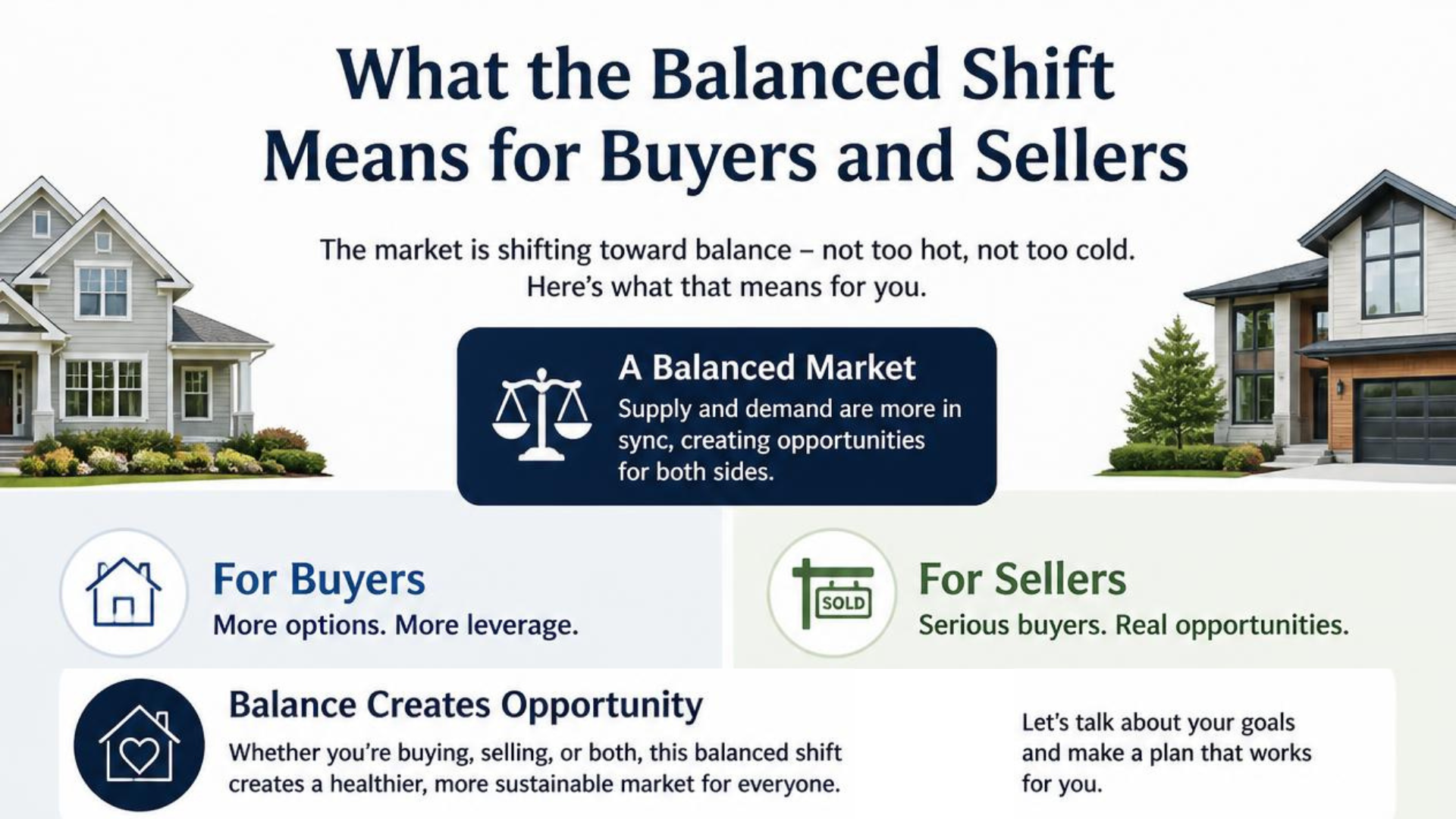
The resale housing market of the Greater Toronto Area (GTA) has undergone a major transition, shifting from the highly competitive, seller-dominated conditions of the pandemic years to a highly balanced, buyer-leaning environment by mid-2026. For years, aggressive bidding wars and rapidly rising prices defined the market, but today we are seeing a healthy re-equilibration. Slower sales activity and stabilized pricing have reshaped market dynamics, giving buyers and sellers new, realistic considerations as the market normalizes.
Brampton as an Affordability Valve
Within the broader GTA, Brampton has established itself as an essential suburban affordability valve. In July 2026, the municipal average sold price in Brampton adjusted to $885,702. This is significantly more affordable than neighboring Mississauga, which recorded an average sold price of $1,190,000 in July 2026 (with some listings averaging $906,000 depending on the housing mix). This also places Brampton comfortably below the broader GTA-wide average of $1,003,956.
Out of 23 tracked municipalities in the GTA, Brampton ranks 18th in affordability, making it a highly attractive destination for first-time buyers and growing families. Here is where Brampton sits compared to other GTA markets in July 2026:
- King (#1): Average sold price of $2,100,000 (Median: $1,900,000)
- Oakville (#2): Average sold price of $1,400,000 (Median: $1,200,000)
- Caledon (#4): Average sold price of $1,300,000 (Median: $1,200,000)
- Richmond Hill (#5): Average sold price of $1,200,000 (Median: $1,100,000)
- Vaughan (#7): Average sold price of $1,200,000 (Median: $1,100,000)
- Markham (#8): Average sold price of $1,100,000 (Median: $1,000,000)
- Toronto (#14): Average sold price of $985,000 (Median: $798,000)
- Mississauga (#17): Average sold price of $906,000 (Median: $869,000)
- Brampton (#18): Average sold price of $885,702 (Median: $840,000)
- Ajax (#19): Average sold price of $894,000 (Median: $870,000)
- Orangeville (#22): Average sold price of $755,000 (Median: $725,000)
A Tale of Two Segments
Brampton's resale market shows a clear divergence across different housing types. While some segments remain highly resilient, others have experienced significant price corrections. Here is a look at the different property types in July 2026:
- Detached Homes: Detached homes remain the preferred asset class, accounting for over 60% of owner-occupied housing in Brampton. In July 2026, detached homes commanded an average price of $1,012,001. While this represents a 5.6% year-over-year price decline, sales volume for detached units surged by 40% year-over-year to 293 transactions, indicating strong buyer interest at this adjusted price point.
- Condominium Apartments: In contrast, the condominium apartment sector has experienced a pronounced correction. The average price of a Brampton condo apartment fell to $399,331 in July 2026, a significant 18.6% year-over-year drop. Completed transactions also fell by 18.5% to just 22 sales, reflecting the broader GTA condo overhang, where elevated listings continue to outpace buyer demand.
- The "Middle" Ground: Townhouses and semi-detached homes have held up relatively well. In July 2026, semi-detached homes averaged $785,315, while townhouses settled at $761,557, providing accessible options for buyers seeking ground-oriented housing.
Explosive Demographic Drivers
Brampton's long-term housing demand is strongly supported by its demographic profile. Since its incorporation with just 50 residents in 1853, the city has grown into one of Canada's fastest-growing municipalities. The population expanded to 656,480 by 2021, and is estimated at approximately 801,732 in 2026, representing a rapid annualized growth rate of 3.08%. Some estimates show an even sharper 17% spike (representing an addition of 135,006 people) since 2021. In fact, Brampton is growing at a rate four times faster than Canada as a whole, and five times faster than the province of Ontario.
Multi-Generational Realities and the Core Housing Deficit
Unlike Toronto's high-density core, Brampton's housing stock consists heavily of low-density and townhouse neighborhoods. This has led to an average household size of 3.2 persons, reflecting a high prevalence of multi-generational households. When immigration volumes rise quickly, families often "double up" within multi-generational homes, allowing the population to grow faster than the physical housing supply.
This rapid population growth has placed significant stress on Brampton's housing infrastructure. The city's latest Housing Needs Assessment reveals that 12.9% of households (representing 22,925 homes) are in "core housing need," meaning they spend 30% or more of their pre-tax income on housing that fails to meet basic standards of adequacy, affordability, or suitability.
This housing stress is particularly acute for single-mother households (with 24.1% in core housing need) and seniors over 85 (at 28.4%). Renters are also disproportionately affected. They make up 22% of Brampton's households, and 26.6% of them fall into core housing need. Additionally, in 2023, some 8,699 Brampton households were on Peel Region's centralized waitlist for subsidized housing.
Long-Term Value Protection
To address this deficit, municipal planning forecasts indicate that Brampton will require approximately 46,700 new housing units by 2031. Under the provincial More Homes Built Faster Act, Brampton was assigned a target of 113,000 new units. However, construction has lagged, and the city was projected to hit only 60% of its annual construction target in 2025.
This persistent undersupply, combined with continued population growth, is expected to provide strong, long-term support for housing values as the market stabilizes. For strategic buyers and sellers, understanding these local market realities is the first step toward making a successful move.