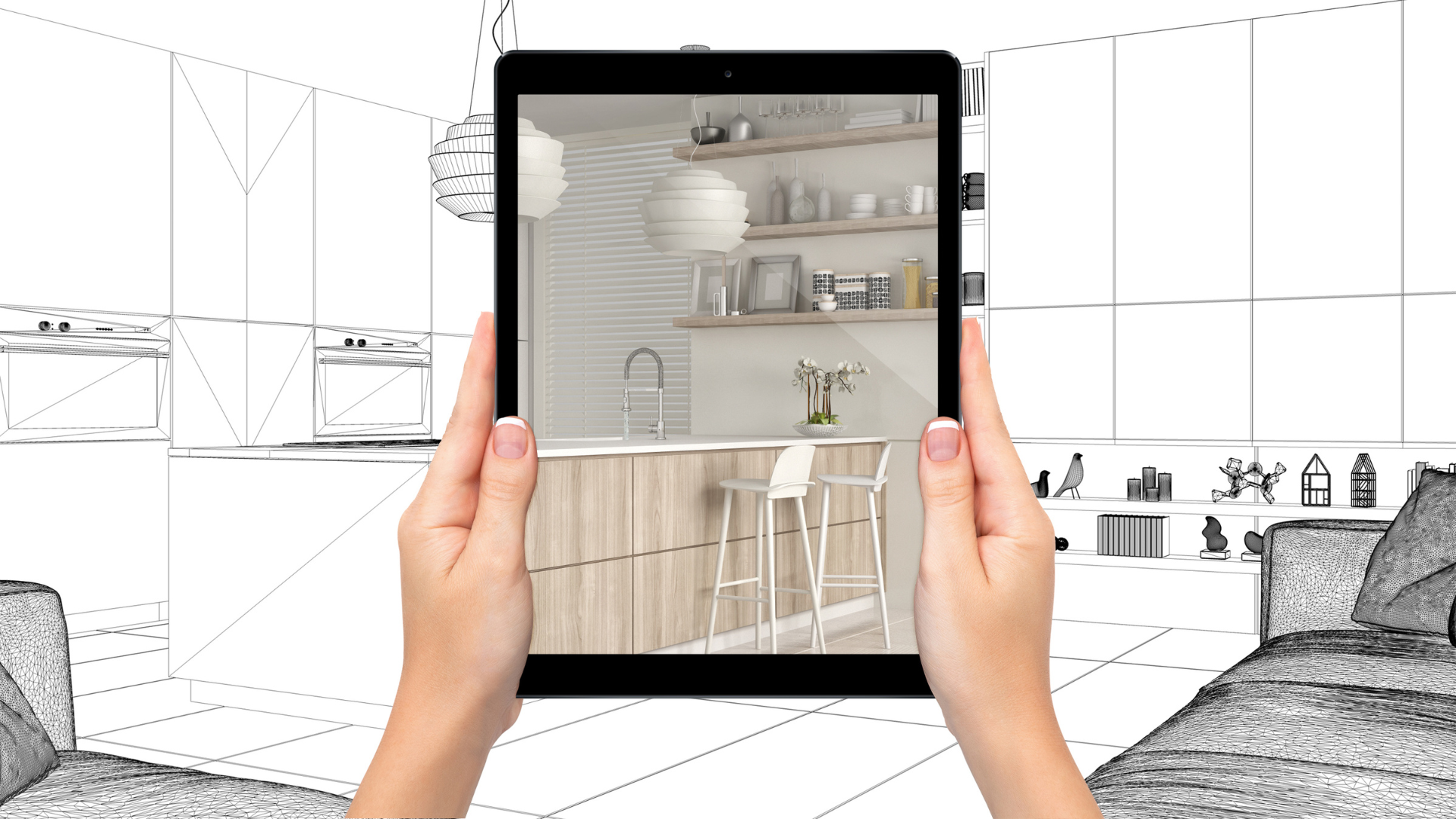
When preparing to sell your house, you might assume that staging is simply about making a room look cute with a few fluffy pillows and matching rugs. However, true home staging goes much deeper—it is highly effective psychological marketing.
When a prospective buyer walks through your front door, their brain forms a definitive first impression in as little as 7 seconds. In that brief window, their decision is driven by emotion, instinct, and the environment they just stepped into. Here is why mastering the psychology of home staging is the ultimate key to maximizing your property’s sale price.
1. Overcoming the "Imagination Gap"
One of the biggest mistakes sellers make is leaving a home completely empty or overly personalized, assuming buyers can simply use their imagination. In reality, over 80% of buyers suffer from an "imagination gap" and cannot visualize the potential of a vacant or cluttered space. Without furniture for reference, the human brain struggles with scale and depth perception, often making empty rooms feel much smaller than they actually are.
Staging bridges this gap. According to the National Association of REALTORS®, 81% to 83% of buyers' agents say that staging a home makes it significantly easier for buyers to visualize the property as their future home.
2. Stopping the Scroll and Raising Emotional Value
Today, over 95% of buyers begin their home search online. If your home doesn't instantly capture their attention, they will simply swipe away.
Staging raises the emotional value of the property before the buyer even steps inside. A space with a clear visual hierarchy and intentional design photographs beautifully, generating up to 73% more online views than an unstaged property. In an endless sea of digital listings, strategic staging is exactly what stops the scroll and turns casual online browsers into motivated, in-person viewers.
3. The Power of Ruthless Decluttering and Neutral Colors
From a neurological standpoint, visual clutter taxes the brain, creating cognitive overload and triggering a low-grade stress response in buyers. This "visual tax" is so severe that cluttered homes consistently sell for $20,000 to $50,000 less than their true market potential. Ruthless decluttering removes this anxiety, allowing buyers to focus on the home's architectural features rather than your personal belongings.
Once the clutter is gone, applying a neutral color palette serves as a "cognitive cleanser". Soft whites, warm beiges, and "greige" (a blend of gray and beige) reduce visual stimulation and appeal to the widest possible audience. Neutral walls reflect natural light better, making compact rooms feel incredibly open, airy, and inviting.
4. Telling a Story with "Lifestyle Vignettes"
Staging isn't just placing furniture in a room; it’s about "Narrative Transportation", immersing the buyer in a compelling story about the lifestyle they could have.
Professional stagers achieve this by setting up "lifestyle vignettes". Instead of an empty corner, they might create a cozy reading nook featuring a plush armchair, a softly lit floor lamp, and a draped cashmere throw. A dining room isn't just a table; it is a sleek dining setup with elegant glassware and linen napkins, looking as if a dinner party is about to begin. These vignettes allow buyers to vicariously project themselves into the scene, associating the home with tranquility, success, and a stress-free life.
5. The ROI of Professional Staging
Because of the complex psychology involved, skipping staging or doing it half-heartedly is a costly mistake. The return on investment (ROI) of hiring a professional stager is phenomenally strong. Data shows that staged homes sell 73% faster than unstaged properties, drastically reducing your days on the market.
Financially, the payoff is immense. The average ROI for staging is 586%, meaning for every dollar spent, sellers typically see a return of $5.86. To maximize this investment on a budget, focus your staging efforts on the most psychologically impactful rooms: the living room, the primary bedroom, and the kitchen.
Ultimately, buyers don't fall in love with a home purely because of its square footage. They fall in love with how the space makes them feel. By leveraging professional staging, you control that feeling, create urgency, and secure the best possible price for your property.